
Menu
On the 3rd and 4th March, the VISSION consortium met in Berlin to review the progress of the project so far, and to consolidate our plans for the future work.
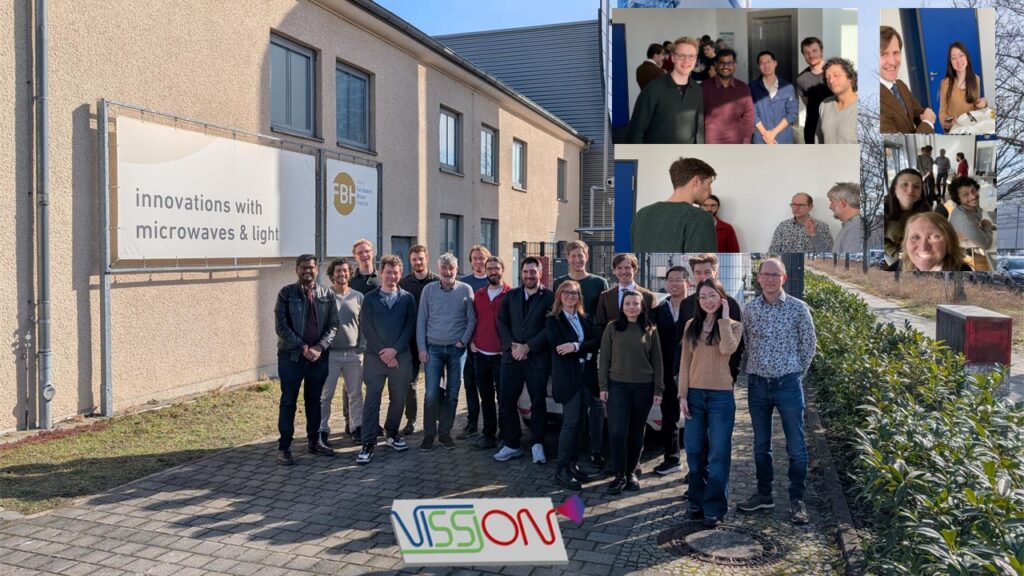
We began with presentations on the design, fabrication, and testing of the first generation of devices, followed by extensive technical discussions of the conclusions and the planning of the next stages of work. The expertise of all present was invaluable, with the broad range of backgrounds and perspectives enabling the refinement of these plans to not only suit the needs of the project, but to look ahead into the needs of potential future users of the integrated photonic platform we are developing.
We then enjoyed a fascinating tour of the FBH facilities, demonstrating their world-leading capabilities as a research centre, followed by an evening meal.
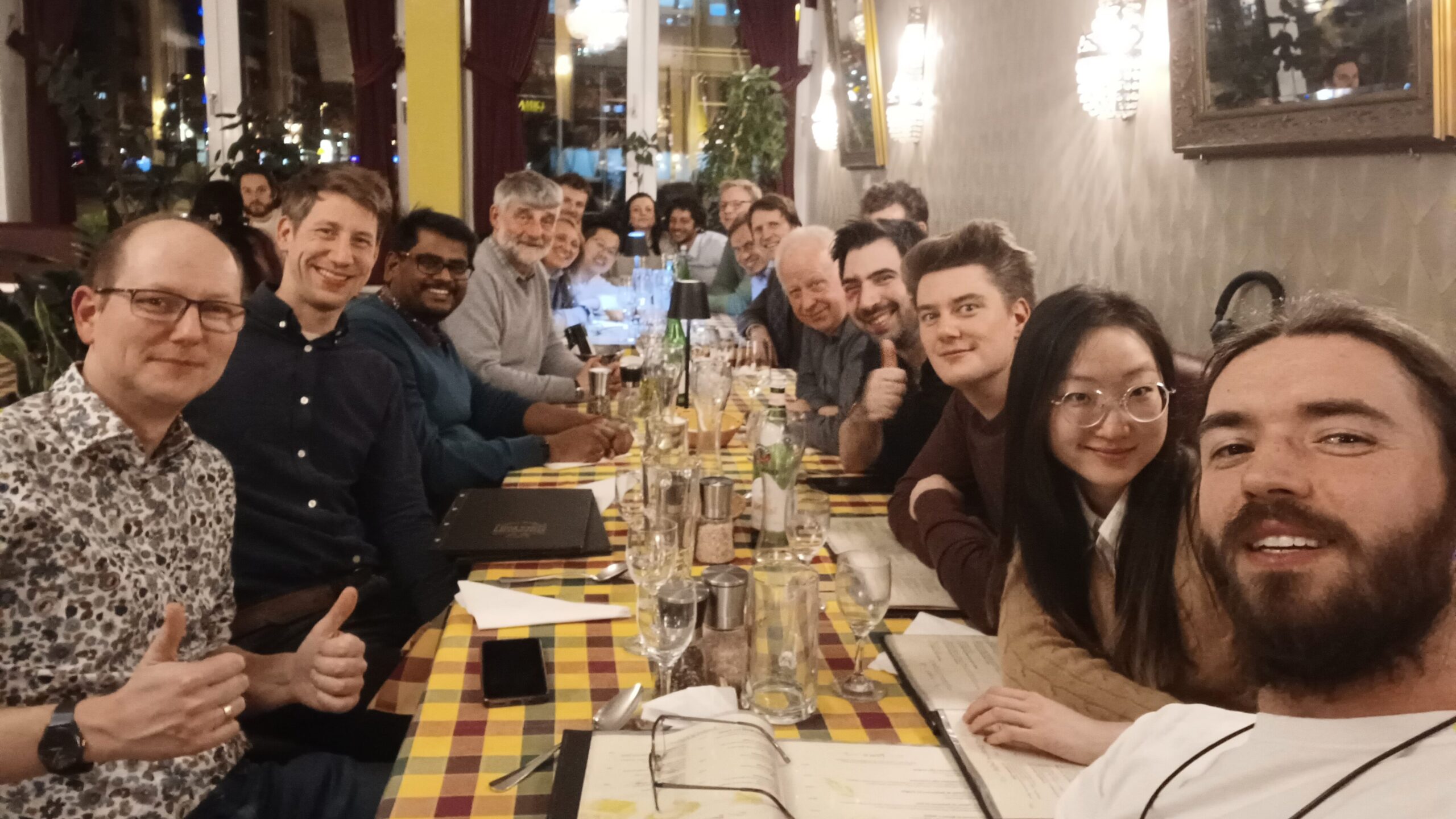
Finally, we discussed the project management and outreach work, forming a plan for sharing our results at conferences and trade shows, and were then given a tour of the historic Aldershof Technology Park, covering its progression from an aviation research facility through to its current status as a centre of excellence across a myriad of disciplines.
Once again, our thanks go out to Prof. Markus Weyers and his team for hosting us!
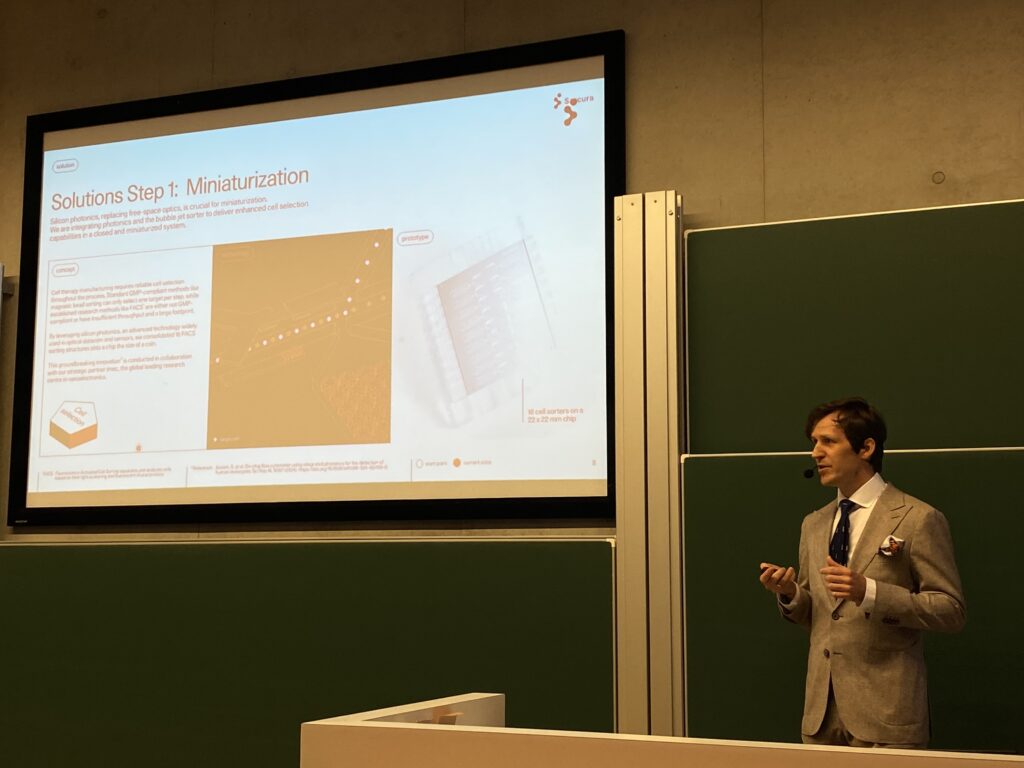
On 14th June, the NB-Photonics Mini-Symposium welcomed Dr Mateusz Kotyrba, from VISSION partner Sarcura, for his talk "Powering New Possibilities in Cell Therapy." Highlighting the breadth of new innovations in integrated photonics, and how these can be used to break new boundaries in healthcare, the VISSION project received a special mention for the flow cytometry system that forms one of the final system demonstrators.
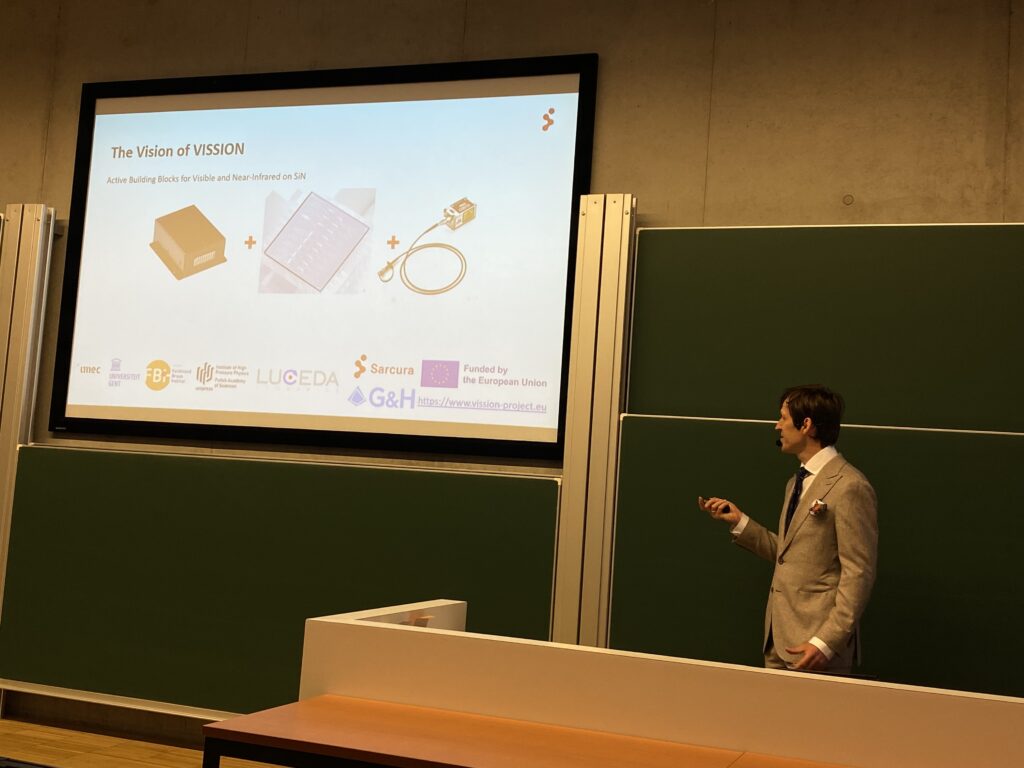
The technology being developed, and its importance in advancing the accessibility of cancer treatment, is only made possible by the ongoing international collaboration of experts in integrated photonics, compact semiconductor lasers, and photonic system design engineers in the consortium.
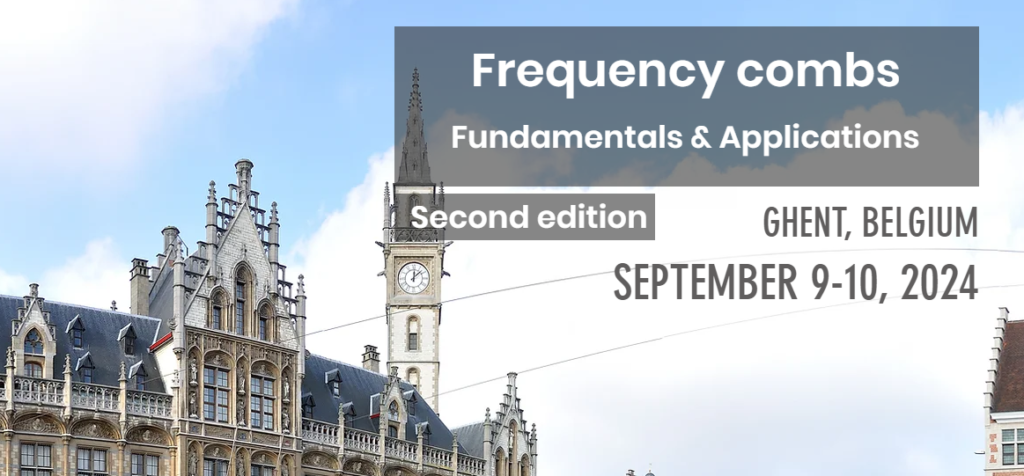
This year, the Frequency Combs workshop will be held in Ghent on the 9th and 10th September. Topics will include frequency comb generation, nonlinear photonics, and the applications of integrated photonics in this extensive field.
For more information on the event, and to register, visit https://www.frequencycomb.be/
We would like to acknowledge the European Health and Digital Executive Agency (HaDEA), for the valuable discussion during the review meeting and for the support and commitment to advancing our cutting-edge technologies in the field of photonics!
We would also like to extend our sincere appreciation to our Project Officer and expert panel for their invaluable insights and guidance throughout this process.
VISSION is deeply committed to pushing the boundaries of science and technology, particularly in the field of integrated photonics. Our mission to harness the power of light for biomedical applications is fuelled by a passion for discovery and a relentless pursuit of excellence. Together with our partners and collaborators, we are forging new pathways towards ground-breaking solutions that have the potential to transform healthcare and improve lives worldwide.
Stay tuned as we continue to delve deeper into the science of integrated photonics, unlocking the full potential of biomedical applications.
Thank you once again to HaDEA, our PO, and our expert panel for your unwavering support and belief in our vision. Together, we are shaping the future of photonics and paving the way for a healthier, brighter tomorrow.
On Thursday 14th March, Luceda Photonics contributed to the Photonics Industry Day to give an overview of the capabilities of their PIC design software, Luceda IPKISS, and the importance of PDKs/ADKs for designers.
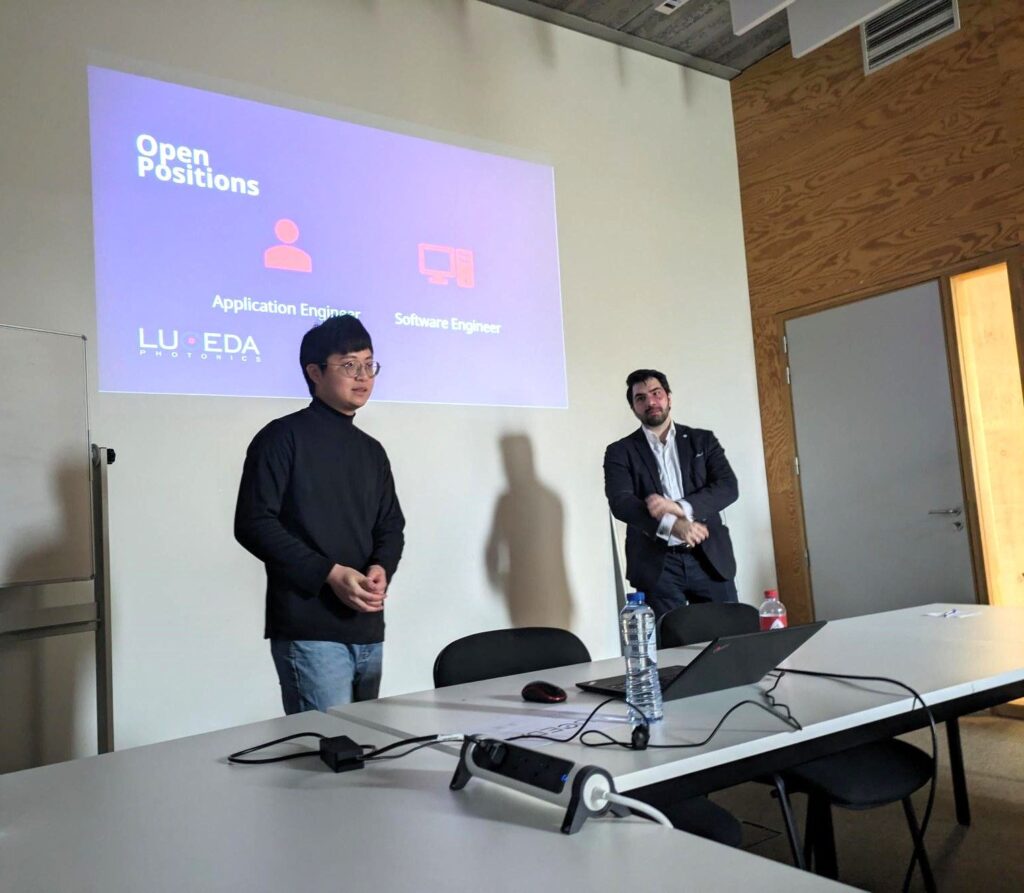
They also highlighted the crucial role of European projects like VISSION in advancing integrated photonics to higher technology readiness levels, which benefits various industries and applications including telecommunications and sensors, and more.
Many master's students from UGent, along with other photonics enthusiasts, enjoyed the presentation and demo provided by Luceda Photonics. We hope that Luceda's valuable contribution will inspire more graduates to join #TeamIntegratedPhotonics!
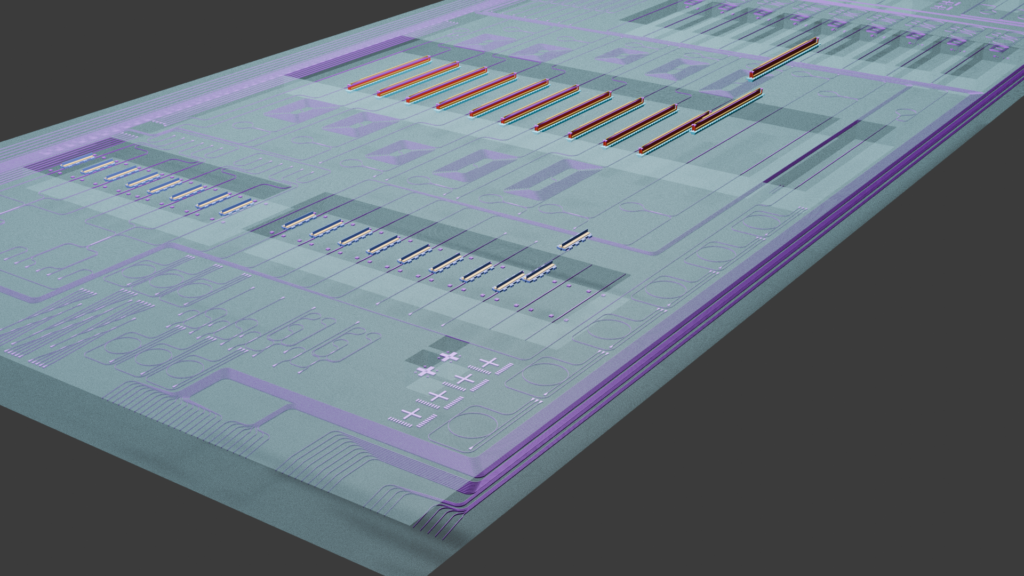
We're thrilled to announce that we're on the verge of a major milestone in our journey! Soon, the first chips from our groundbreaking platform will be hitting the scene! 🌟
Stay tuned as we gear up to unveil a revolutionary broadband visible light photonic platform. This innovation is made possible through ultra-low loss silicon nitride, with embedded optical sources, modulators, and detectors, all thanks to the cutting-edge microtransfer printing technology. 💡
The future of photonics is on the horizon, and we can't wait to share more updates with you! Keep an eye out for more exciting developments coming your way! 👀
Do you want to know more about Photonics Innovation?
Here we introduce the implementation of the cutting-edge 'Micro-Transfer Printing technique' pioneered by Photonics Research Group of Ghent University and Imec. This innovative approach enables heterogeneous photonic integration, allowing for the combination of building blocks on a SiN interposer within the VISSION project.
This advancement is particularly significant for biomedical applications requiring the utilization of the visible and near-IR wavelength range.
This innovative approach opens up a myriad of possibilities in photonics research, promising enhanced performance and versatility in a compact and efficient platform.
Let's embark on this journey of exploration and discovery together as we push the boundaries of what's possible in photonics technology! More information here.
At the Institute of High-Pressure Physics PAS (Unipress), within VISSION Work Package 3, guided by Henryk Turski, our endeavours are focused on the development of molecular beam epitaxy-grown III-nitride light emitters for integration with the SiN platform through transfer printing.
A video (courtesy of Mikołaj Chlipała) showcases various stages of the process, including substrate loading, outgassing before growth, substrate exposure to high temperatures, the growth process under molecular fluxes of nitrogen and metals, and ultimately, LED testing conducted under a probe station.
On Thursday 8th and Friday 9th February, representatives from the VISSION consortium met in Warsaw to discuss our progress so far and to prepare for the upcoming Horizon review meeting in March. We were hosted at the Institute of High Pressure Physics of the Polish Academy of Sciences, organised by Prof. Henryk Turski.

We began with the technical discussions, in which the work package leaders presented an overview of their team’s technical progress to date, as well as their schedule for the coming year.
Luceda Photonics have assembled the PDK software package that is used to realise the system designs and the creation of photolithography masks. Iterio Degli-Eredi presented the components that have been included, as well as the testing structures that are being fabricated in the first run, and the roadmap for inclusion of the experimental results generated from them. By incorporating these critical data, the PDK will enable fast and accurate simulation of any system that a photonic designer envisions, minimising the number of prototyping runs needed for new applications.
The passive silicon nitride platform that underpins the VISSION project and enables effective integrated photonics in the visible and near infrared is the responsibility of imec, who are currently working on the manufacture of the first test components and devices. Manuel Reza, from Imec, presented the details of the fabrication process, as well as the current status and the plans for future processes. This initial fabrication run has been priceless for the streamlining of later fabrication cycles, identifying key issues and optimising each stage of the process flow.
Prof. Henryk Turski then took the floor to share the work undertaken at Unipress on gallium nitride-based amplifiers, which will be used in VISSION to generate blue- and green-wavelength light for a range of applications. The layer-by-layer composition of the amplifiers was discussed, including the optimisation of the release layer for micro-transfer printing – the key concept on which VISSION is built and which will enable the large-scale integration of active devices onto the silicon nitride passive platform.
Likewise, Prof. Markus Weyers from the Ferdinand-Braun-Institut detailed the development work for amplifiers in gallium arsenide, which will enable applications using light in the red and near-infrared. Extensive studies and simulations have been carried out, in close collaboration with the team at imec, to optimise and enable the precise structural configurations needed to effectively couple light between the active and passive materials.
Ewout Picavet and Kobe De Geest, PhD students at Ghent University, under the supervision of Prof Beeckman, then explained their work on optoelectronic modulators based on barium titanate and lead zirconate titanate. Electro-optic modulators offer high-speed precise control of the performance of a photonic system and are key to enabling the complex applications that the VISSION project is working towards. Their initial successes show great promise for the future.
Detectors are a necessary element of any complete photonic platform, and at the wavelengths targeted by VISSION, silicon is an ideal material for this purpose. Valeria Bonito Olivia (Imec) presented the development work carried out to date on these, discussing the challenges presented by the requirements of the silicon fabrication platform, as well as the proposed methods to overcome and work around these.
Moving from the component-level to the device level, Mateusz Kotyrba from Sarcura presented the operational principles of the cell flow cytometer that will be one of the VISSION demonstration devices. This is part of Sarcura’s drive to miniaturise, and thus make more accessible and widespread, the systems needed for the preparation of CAR-T cell therapy. This revolutionary process already offers incredible results in the field of blood cancer treatment, but suffers from high cost. By bringing to bear the reduced size, weight, power and cost inherent to the integrated photonic platform, Sarcura will develop a low-cost, mass-manufacturable system for the biopharma industry.
To demonstrate the broad applicability of the VISSION platform, G&H will develop a range of other functional devices through the project. Stuart MacFarquhar presented the groundwork that has been carried out for developing a swept-source optical coherence tomography engine and two narrow-linewidth lasers for quantum applications.
Further to the technical presentations, project management, and planning discussions were held on Friday to refine the project strategy and timeline over the coming 12 months, taking into account both the successes and challenges of the work to date. These were led by project leaders Antonietta Parracino and Bart Kuyken, and were key to preparation for the upcoming meeting with the Horizon project reviewers on the 19th March.
The meeting wasn't solely focused on business matters; the consortium also made time for enjoyment. Members engaged in informal interactions outside the work environment, fostering a positive team spirit. Additionally, we visited the Castle, and we had the opportunity to learn about the history of the city hosting us!
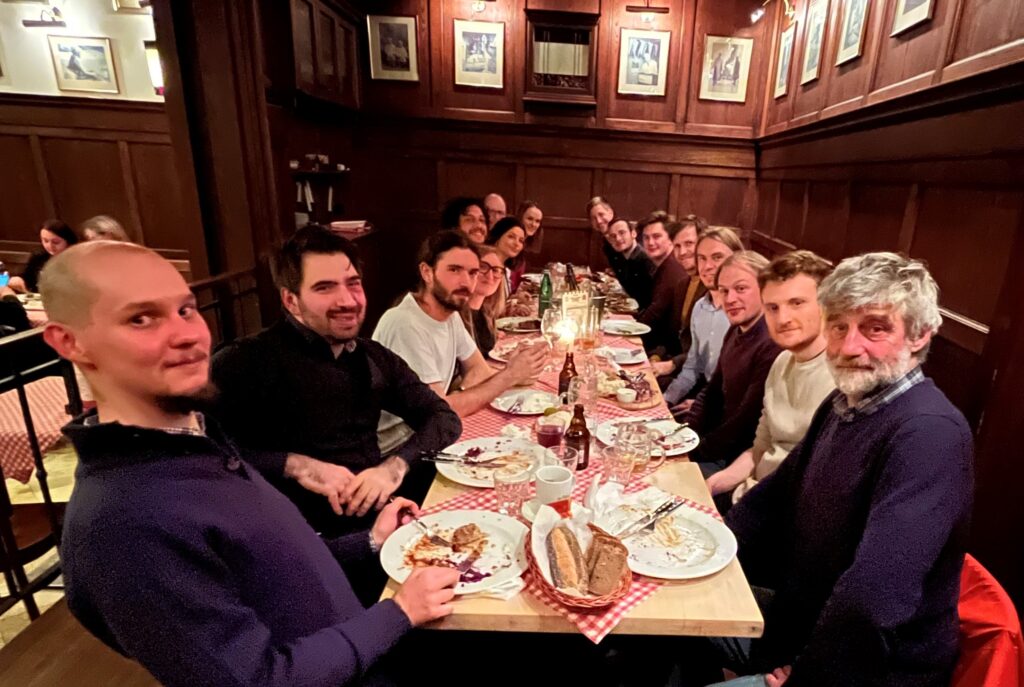
Friday 22nd September saw the first review meeting for VISSION, with the Horizon EU project overseer and experts. We presented the progress over the first year and a roadmap for future work. Thanks to the PO and experts from HaDEA for the valuable discussion!


VISSION is funded by the European Commission through Horizon 2020, and by UK Research and Innovation through Innovate UK, under Grant Agreement 101070622.